Posted on — Leave a comment

How We Photograph Wildlife Without Disturbing It

The best wildlife photograph is the one where the animal never knew it was being photographed at all. That’s not a slogan — it’s a practical description of how every image on this site is made, and it shapes almost every decision in the field before the camera is ever raised.

Distance Is a Discipline, Not a Limitation

A long lens exists so the photographer can stay far enough back that behaviour stays natural — no altered feeding, no changed movement, no defensive posturing. If getting the shot means pushing closer than that, the shot isn’t worth getting. This is the single rule everything else follows from.

No Bait, No Calls, No Staging

Nothing in these galleries was drawn in with food, played-in with a distress call, or waited out at a den or nest site in a way that risks the animal abandoning it. It means far more empty mornings than productive ones. It also means every image here is a genuine moment rather than a manufactured one, which is worth knowing when you’re choosing which to put on a wall.

Vehicles, Guides, and Local Knowledge

Almost every strong sighting behind these photographs came from a guide who reads a reserve daily, not from luck. Working with experienced local guides and staying within a reserve’s own sighting protocols isn’t just good practice — it’s usually the actual reason a photograph exists at all.

Prints and licensed downloads fund the return trips that make this approach possible — see A Field Guide to the Reserves Behind These Photographs for how that loop works in practice.
Posted on — Leave a comment

Grading for African Light: Building the Golden Hour Safari Preset

Most Lightroom presets are built for portraits shot in soft studio light or landscapes photographed at golden hour in a temperate climate. Neither describes African bush light, which swings between flat, dusty midday and short, intense sunrise and sunset windows — and rarely behaves the way a general-purpose preset expects.

Building Golden Hour Safari

The brief for this preset was specific: warm rim light on fur without pushing skin and sky tones into orange mush. That meant working the Color Grading panel harder than the basic sliders — lifting warmth selectively into the shadows and highlights rather than just cranking the temperature slider, which flattens everything evenly instead of following the direction the light is actually falling.

Why Dust & Light Needed Its Own Preset

Backlit dust — herds moving at midday, the haze that hangs over a dry riverbed — has almost no contrast to work with straight out of camera. Standard “punchy” presets crush it into mud. This preset leans on Dehaze and a lifted black point instead of a contrast boost, which keeps the haze itself visible as atmosphere rather than trying to remove it.

A Preset Is a Starting Point, Not a Finish Line

None of these are meant to be applied and exported unchanged — they’re calibrated for a typical file shot in that light, and every RAW file will need a small nudge to exposure or white balance on top. Think of them as skipping the first ten minutes of an edit, not skipping the edit.

The full set — eight new presets built for African light, alongside the original Black & White and Vintage packs — is available in the Presets collection.

Posted on — Leave a comment

A Field Guide to the Reserves Behind These Photographs

Every image in these galleries was made in a real place, on a real morning or evening, not staged and not composited. Knowing which reserve a photograph came from usually explains something about the light, the animal’s behaviour, or why that frame took the number of trips it did to get.

Why the Reserve Matters as Much as the Subject

Two lion images can look completely different not because of camera settings, but because one reserve sits on open grassland with long, low light lines, and another is thick riverine bush where the only clean sightlines are at a waterhole at dusk. Terrain and vegetation shape what’s photographically possible in a reserve as much as the wildlife density does.

How These Trips Get Funded

Time in the field — fuel, park fees, guides, and the patience to sit at one waterhole for four mornings running — is paid for by print sales, not the other way around. Every reserve visited adds a new set of images to the galleries; every print sold makes the next reserve possible. It’s a direct, unglamorous loop, and it’s the actual business model behind this site.

Asking About a Specific Reserve

If there’s a particular reserve, park, or region you’re curious about — where an image was made, what the conditions were like, or whether a trip back is planned — the Story page has more background, and the contact form is the fastest way to ask directly. Specific questions about a specific frame usually get a much more interesting answer than a general one.

Posted on — Leave a comment

Behind the Shot: The Unseen

Not every good wildlife photograph is colour. “The Unseen” — a close leopard portrait converted to black and white — is one of the images visitors ask about most, usually with some version of the same question: why strip the colour out of an animal known for one of the most striking coats in the bush?

When Colour Gets in the Way

A leopard’s rosette pattern is already doing most of the visual work in a frame — texture, contrast, the play of light across fur. In the original colour file, the golden tones of the coat competed with the golden tones of the late-afternoon light behind it, and the eye didn’t know where to settle. Converting to black and white removed that competition and let the one thing that mattered — the leopard’s stare, direct into the lens — carry the whole image.

The Decision Happens Before the Edit

Some images are shot with a monochrome conversion already in mind — watching for contrast and shape rather than colour harmony in the moment of pressing the shutter. This was one of those: flat, even light, a plain background, and an animal that held still and held eye contact for perhaps two seconds. Colour would have been a distraction from the very first frame.

Printing It

Black and white images hold detail differently on archival paper than colour ones — the tonal range in the shadows around the eyes and the texture in the fur are where a print earns its size. This is one that rewards going larger; at 80×110cm, the texture in the coat becomes almost tactile in a way a screen can’t show.

See the full print options for this image, including remaining edition availability, on its product page.

Posted on — Leave a comment

Why Limited Editions Matter in Wildlife Photography

Every fine-art print on this site is sold as a fixed, numbered edition. Once every print in that edition sells, that image and size is gone for good — no reprint, no “back in stock” email. It’s worth explaining why, because it changes how a print is worth thinking about.

Scarcity Isn’t a Sales Tactic Here — It’s the Point

An unlimited print run is a poster. A limited edition is a decision, made once, about how many physical objects of that image will ever exist. That decision is what a certificate of authenticity is actually certifying — not just that the print is genuine, but that the number on it (say, 7 of 12) is permanent and won’t quietly become 7 of 20 later.

What Determines an Edition Size

Edition sizes here are set per image and per print size at the time the image is listed, based on how rare the moment was to capture and how the image is likely to be viewed — smaller editions for the images that mean the most, larger runs for pieces meant to be more accessible. It isn’t arbitrary, and it isn’t adjusted upward once a print starts selling well.

The Conservation Thread

Every print sold funds time in the field — fuel, permits, guides, and the seasons spent waiting for one frame that says something true about a place. A limited edition print isn’t just wall art; it’s a small, direct link between a collector’s wall and the reserves and animals the image was made in.

If there’s a particular reserve or subject you’d like to know more about before buying, the Story page is a good place to start, or reach out directly — always happy to talk through where and how a specific image was made.

Posted on — Leave a comment

Choosing the Right Print Size for a Wildlife Photograph

The single most common question before someone buys a fine-art print: what size should I actually get? It’s tempting to default to “the biggest one I can afford” — but size should follow the image and the wall, not the other way around.

Start With the Wall, Not the Website

Before you look at Small, Medium, or Large on a product page, measure the actual wall space. Cut a piece of newspaper or brown paper to the print size you’re considering and tape it up where the print will hang. Live with it for a day. Most prints look smaller on a screen than they will in a room — a 50×70cm print reads as substantial on most walls, and 80×110cm needs real breathing room around it to work.

Match Size to Detail

A tight portrait — an eye, a face filling the frame — holds up beautifully at Small (30×40cm), viewed up close. A wide landscape with fine detail across the whole frame, like dust hanging in backlight over a herd, rewards Large (80×110cm), where you can stand back and still find new detail on a second look. If you’re unsure, Medium (50×70cm) is the size that works in the widest range of rooms and viewing distances.

Consider the Edition

Each size is numbered as its own edition. A popular image’s Small edition can sell out well before its Large edition does, simply because more people default to the smaller, cheaper size. If a particular size and image combination matters to you, it’s worth checking availability rather than assuming it’ll still be there next month — edition sizes are fixed and never reprinted once sold out.

When to Choose the Digital Download Instead

Not every use case needs a physical print. If you’re licensing an image for editorial use, a website, or your own print run through a local framer, the licensed digital download is the right product — see Licensing for what’s included.

Posted on

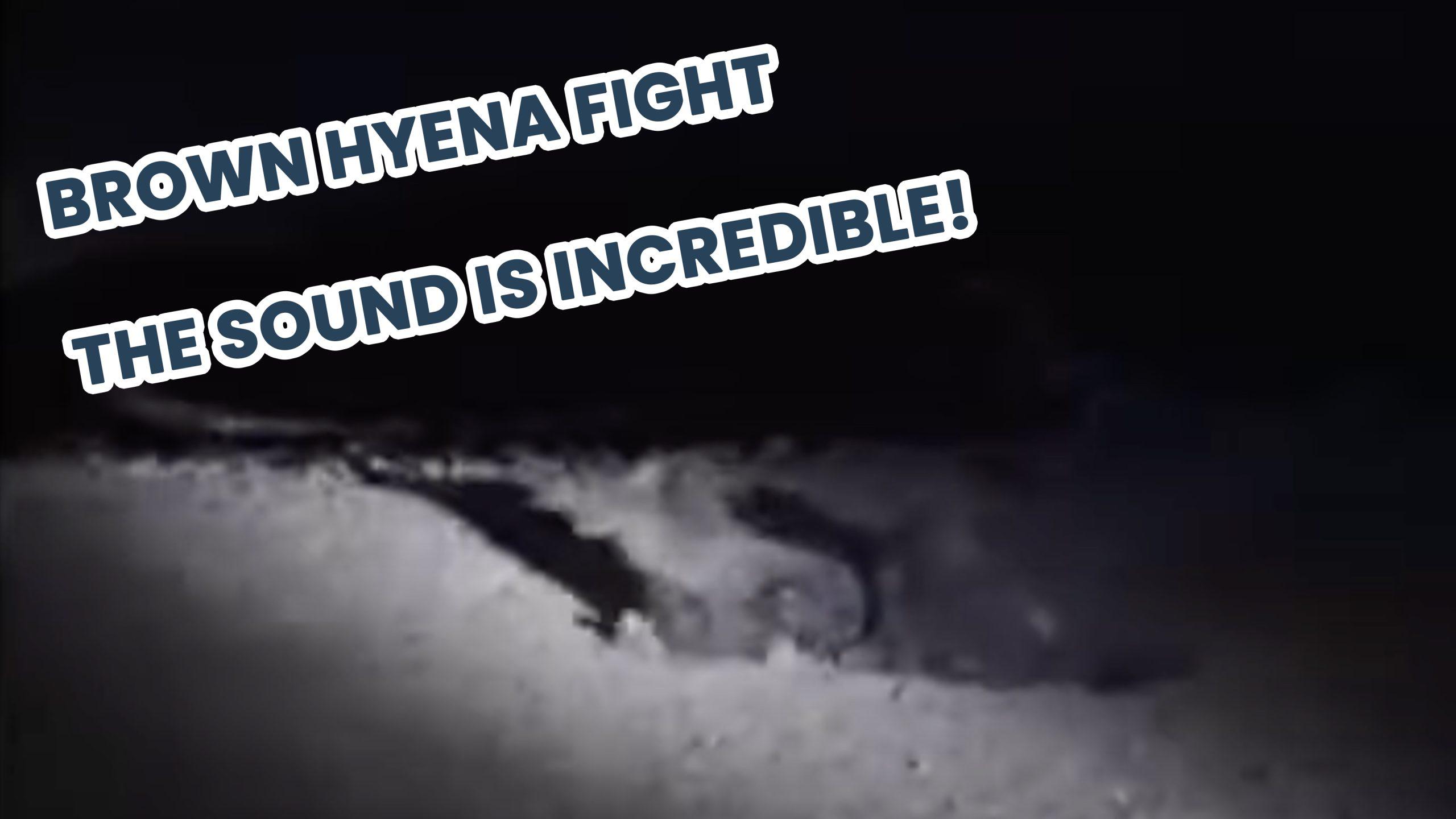
THE STORY BEHIND THE VIDEO: Rare Clip of Brown Hyena Fighting

Picture this.

It’s evening at Nossob in Kgalagadi National Park. We’ve just finished dinner, dishes are put away and showers have been had.

My brother and I decide to head to the hide overlooking the Nossob Waterhole for a last check before heading to bed.

As we get to the get that leads to the hide, we hear a screech, something i’d certainly never heard before. We bolt up the walkway to the hide and are greeted by these scenes in front of us.

A dominance display between two brown hyena, with one definitely being the aggressor!

An incredible moment and experience. What would you do in this moment?

Posted on

THE STORY BEHIND THE SHOT: Baines’ Baobabs

These monumental trees are located in the Nxai Pan National Park in Botswana. The Nxai Pan is characterised by its ivory-coloured landscape, which encircles the northern regions of the Kalahari Desert. The landscape is vast and endless. In fact, the salt pans are downright gigantic, dwarfing the country of Belgium and holding the world record for being one of the largest salt pan landscapes in the world.

The Makgadikgadi Salt Pans, which is very close by was once submerged in water. In fact, the rivers that feed the renowned Okavango Delta, originally flooded the Makgadikgadi Salt Pans.

Due to tectonic movement, the rich waters were diverted away from the Makgadikgadi, leaving travellers with a vast, dry salt pan. If you’re planning on travelling during the rainy season, you may still see some pans flooded with water.

So then what makes Baines’ historically significant?

When the Europeans first began exploring Botswana, then named Bechuanaland, in the late 19th century, the Baobab trees were used as landmarks by the country’s early missionaries.

Thomas Baines (who the trees are aptly named after) was a British landscape painter who first traveled to South Africa in the 1850s as a war artist. After sketching the battlefields of Bloemfontein, he moved to nature’s tranquility, capturing the vastness of Southern Africa in watercolour.

Baines gained recognition as an exceptional artist, naturalist, and geographer, and his work was so well received that the Royal Geographic Society invited him to join David Livingstone on his second trip to the Zambezi River in 1858.

The relationship between Baines and Livingstone deteriorated to the point where Baines was charged with ‘attempting to steal’ and sent to Cape Town.

Baines was known to have an exceptional work ethic and later decided to join James Chapman, a cattle and ivory trader, on a trip to Namibia and then to Victoria Falls.

Along with a team, the two of them departed from South Africa in the 1860s.

They sailed north by ox wagon before slowly making their way from the Namib Desert to the enormous Mosi oa Tunya (Victoria Falls). While travelling through the Kalahari Desert, they decided to take a break and pitch camp under the shade of a cluster of seven baobab trees.

The trees provided much relief from the heat and inspired Baines to the point where he documented the scene with a watercolour piece of art titled ‘A group of Baobab trees on the north-west spruit of the Mtwetwe pans, May 1862.”

Although the original artwork is now housed in England’s archives, Baines’ name is still visible on the trees.

So what does the trees and image mean to me?

Ever since my first trip into Botswana, Baines has held a magical place in my heart. Over the years and visits, the little island with its magical array of Baobab trees is a must visit for me whenever I am in the area. I simply love this area and truly hope I captured the magic of it in my image.

Posted on

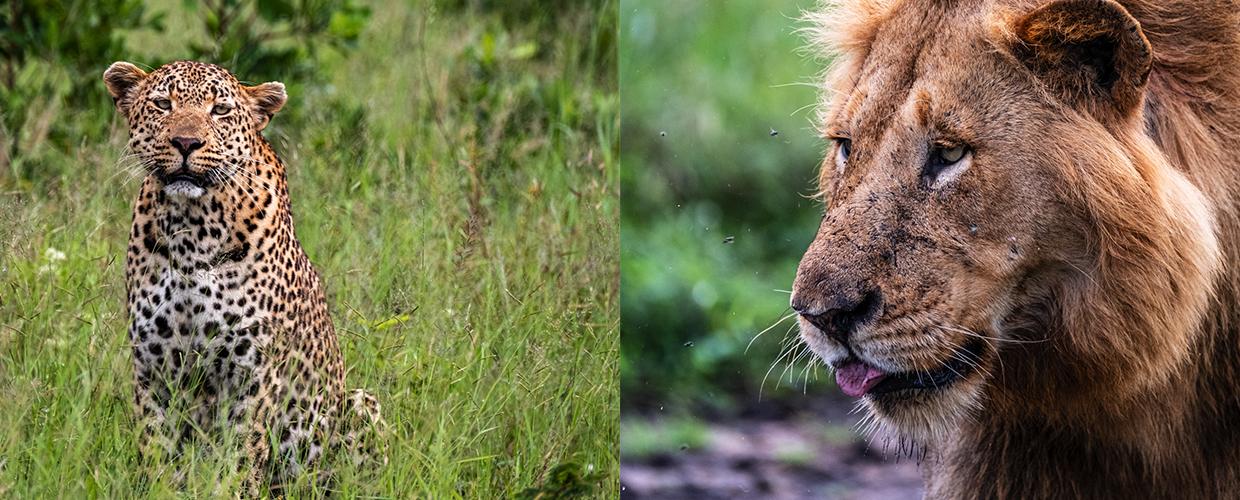
THE STORY BEHIND THE SHOT: Tumbela Male Lions and Ravencourt Male Leopard

We were staying at Dulini Lodge in the infamous Western Sector of Sabi Sands, and we were on a morning game drive with Jem Harris as our guide.

We’d received a report of the Tumbela Male Lion coalition being in the area, it was just the two males of the then three male coalition. They were on the move and soon reached a small pan which still had a little bit of water in it.

They quenched their thirst in the small puddles and it was at this moment as one of the other vehicles moved away from the area, we would finally become aware of a leopard in the area.

The Ravencourt Male Leopard had joined the sighting.

The above images where captured from our vehicle, Ravencourt on the right of the vehicle fully aware of the male lions, while the Tumbela Male Lions where on the left completely oblivious to the fact that there was a male leopard in the vicinity.

Truly an incredible moment on safari and a memory I will cherish.

Posted on

The Tim Griesel Photography Blog

So who exactly am I?

I am a passionate wildlife photographer and content creator. My imagery features African wildlife in their natural habitat. I aim to inspire and motivate others to photography and enjoy Africa through the art of photography.

I love to engage with others on the subject of photography, videography, travel, and conservation.

Other associated brands include TimTam Overlanding, NextGen Creative Media and T’s Little Crafts.

What can you expect from this blog?

  • Travel
    • Where i’ve travelled, what my thoughts are, and how I got there.
  • Photography
    • A look at some of my images, how I captured them and what my camera settings were.
  • The story behind the image
    • A deeper look into the story behind the image. What it took to capture the shot and what was happening around the shot.
  • Tips
    • Wildlife photography tips and tricks. Perhaps even covering some animal behaviour.
  • Trip Reports and experiences
    • A look at where I have been and what my thoughts are.

If you have anything else else you’d like me to discuss in this blog, then please let me know if the comments below.

Subscribe to receive updates from Timothy Griesel PhotographyJTNDZGl2JTIwaWQlM0QlMjJtY19lbWJlZF9zaGVsbCUyMiUzRSUwQSUyMCUyMCUyMCUyMCUyMCUyMCUzQ2xpbmslMjBocmVmJTNEJTIyJTJGJTJGY2RuLWltYWdlcy5tYWlsY2hpbXAuY29tJTJGZW1iZWRjb2RlJTJGY2xhc3NpYy0wNjE1MjMuY3NzJTIyJTIwcmVsJTNEJTIyc3R5bGVzaGVldCUyMiUyMHR5cGUlM0QlMjJ0ZXh0JTJGY3NzJTIyJTNFJTBBJTIwJTIwJTNDc3R5bGUlMjB0eXBlJTNEJTIydGV4dCUyRmNzcyUyMiUzRSUwQSUyMCUyMCUyMCUyMCUyMCUyMCUyMCUyMCUyM21jX2VtYmVkX3NpZ251cCU3QmJhY2tncm91bmQlM0ElMjNmZmYlM0IlMjBmYWxzZSUzQmNsZWFyJTNBbGVmdCUzQiUyMGZvbnQlM0ExNHB4JTIwSGVsdmV0aWNhJTJDQXJpYWwlMkNzYW5zLXNlcmlmJTNCJTIwd2lkdGglM0ElMjA0MDBweCUzQiU3RCUwQSUyMCUyMCUyMCUyMCUyMCUyMCUyMCUyMCUyRiUyQSUyMEFkZCUyMHlvdXIlMjBvd24lMjBNYWlsY2hpbXAlMjBmb3JtJTIwc3R5bGUlMjBvdmVycmlkZXMlMjBpbiUyMHlvdXIlMjBzaXRlJTIwc3R5bGVzaGVldCUyMG9yJTIwaW4lMjB0aGlzJTIwc3R5bGUlMjBibG9jay4lMEElMjAlMjAlMjAlMjAlMjAlMjAlMjAlMjAlMjAlMjAlMjBXZSUyMHJlY29tbWVuZCUyMG1vdmluZyUyMHRoaXMlMjBibG9jayUyMGFuZCUyMHRoZSUyMHByZWNlZGluZyUyMENTUyUyMGxpbmslMjB0byUyMHRoZSUyMEhFQUQlMjBvZiUyMHlvdXIlMjBIVE1MJTIwZmlsZS4lMjAlMkElMkYlMEElM0MlMkZzdHlsZSUzRSUwQSUzQ2RpdiUyMGlkJTNEJTIybWNfZW1iZWRfc2lnbnVwJTIyJTNFJTBBJTIwJTIwJTIwJTIwJTNDZm9ybSUyMGFjdGlvbiUzRCUyMmh0dHBzJTNBJTJGJTJGdGltb3RoeWdyaWVzZWwudXMxMi5saXN0LW1hbmFnZS5jb20lMkZzdWJzY3JpYmUlMkZwb3N0JTNGdSUzRDc4MWE2NmNiOWUyMThjZGVmYzQzMzc4ZWQlMjZhbXAlM0JpZCUzRDMzNDgwODEyNzUlMjZhbXAlM0JmX2lkJTNEMDA5NjQyZTBmMCUyMiUyMG1ldGhvZCUzRCUyMnBvc3QlMjIlMjBpZCUzRCUyMm1jLWVtYmVkZGVkLXN1YnNjcmliZS1mb3JtJTIyJTIwbmFtZSUzRCUyMm1jLWVtYmVkZGVkLXN1YnNjcmliZS1mb3JtJTIyJTIwY2xhc3MlM0QlMjJ2YWxpZGF0ZSUyMiUyMHRhcmdldCUzRCUyMl9ibGFuayUyMiUzRSUwQSUyMCUyMCUyMCUyMCUyMCUyMCUyMCUyMCUzQ2RpdiUyMGlkJTNEJTIybWNfZW1iZWRfc2lnbnVwX3Njcm9sbCUyMiUzRSUwQSUyMCUyMCUyMCUyMCUyMCUyMCUyMCUyMCUyMCUyMCUyMCUyMCUzQ2RpdiUyMGNsYXNzJTNEJTIyaW5kaWNhdGVzLXJlcXVpcmVkJTIyJTNFJTNDc3BhbiUyMGNsYXNzJTNEJTIyYXN0ZXJpc2slMjIlM0UlMkElM0MlMkZzcGFuJTNFJTIwaW5kaWNhdGVzJTIwcmVxdWlyZWQlM0MlMkZkaXYlM0UlMEElMjAlMjAlMjAlMjAlMjAlMjAlMjAlMjAlMjAlMjAlMjAlMjAlM0NkaXYlMjBjbGFzcyUzRCUyMm1jLWZpZWxkLWdyb3VwJTIyJTNFJTNDbGFiZWwlMjBmb3IlM0QlMjJtY2UtRk5BTUUlMjIlM0VGaXJzdCUyME5hbWUlMjAlM0NzcGFuJTIwY2xhc3MlM0QlMjJhc3RlcmlzayUyMiUzRSUyQSUzQyUyRnNwYW4lM0UlM0MlMkZsYWJlbCUzRSUzQ2lucHV0JTIwdHlwZSUzRCUyMnRleHQlMjIlMjBuYW1lJTNEJTIyRk5BTUUlMjIlMjBjbGFzcyUzRCUyMnJlcXVpcmVkJTIwdGV4dCUyMiUyMGlkJTNEJTIybWNlLUZOQU1FJTIyJTIwcmVxdWlyZWQlM0QlMjIlMjIlMjB2YWx1ZSUzRCUyMiUyMiUzRSUzQyUyRmRpdiUzRSUzQ2RpdiUyMGNsYXNzJTNEJTIybWMtZmllbGQtZ3JvdXAlMjIlM0UlM0NsYWJlbCUyMGZvciUzRCUyMm1jZS1FTUFJTCUyMiUzRUVtYWlsJTIwQWRkcmVzcyUyMCUzQ3NwYW4lMjBjbGFzcyUzRCUyMmFzdGVyaXNrJTIyJTNFJTJBJTNDJTJGc3BhbiUzRSUzQyUyRmxhYmVsJTNFJTNDaW5wdXQlMjB0eXBlJTNEJTIyZW1haWwlMjIlMjBuYW1lJTNEJTIyRU1BSUwlMjIlMjBjbGFzcyUzRCUyMnJlcXVpcmVkJTIwZW1haWwlMjIlMjBpZCUzRCUyMm1jZS1FTUFJTCUyMiUyMHJlcXVpcmVkJTNEJTIyJTIyJTIwdmFsdWUlM0QlMjIlMjIlM0UlM0MlMkZkaXYlM0UlMEElMjAlMjAlMjAlMjAlMjAlMjAlMjAlMjAlM0NkaXYlMjBpZCUzRCUyMm1jZS1yZXNwb25zZXMlMjIlMjBjbGFzcyUzRCUyMmNsZWFyJTIwZm9vdCUyMiUzRSUwQSUyMCUyMCUyMCUyMCUyMCUyMCUyMCUyMCUyMCUyMCUyMCUyMCUzQ2RpdiUyMGNsYXNzJTNEJTIycmVzcG9uc2UlMjIlMjBpZCUzRCUyMm1jZS1lcnJvci1yZXNwb25zZSUyMiUyMHN0eWxlJTNEJTIyZGlzcGxheSUzQSUyMG5vbmUlM0IlMjIlM0UlM0MlMkZkaXYlM0UlMEElMjAlMjAlMjAlMjAlMjAlMjAlMjAlMjAlMjAlMjAlMjAlMjAlM0NkaXYlMjBjbGFzcyUzRCUyMnJlc3BvbnNlJTIyJTIwaWQlM0QlMjJtY2Utc3VjY2Vzcy1yZXNwb25zZSUyMiUyMHN0eWxlJTNEJTIyZGlzcGxheSUzQSUyMG5vbmUlM0IlMjIlM0UlM0MlMkZkaXYlM0UlMEElMjAlMjAlMjAlMjAlMjAlMjAlMjAlMjAlM0MlMkZkaXYlM0UlMEElMjAlMjAlMjAlMjAlM0NkaXYlMjBhcmlhLWhpZGRlbiUzRCUyMnRydWUlMjIlMjBzdHlsZSUzRCUyMnBvc2l0aW9uJTNBJTIwYWJzb2x1dGUlM0IlMjBsZWZ0JTNBJTIwLTUwMDBweCUzQiUyMiUzRSUwQSUyMCUyMCUyMCUyMCUyMCUyMCUyMCUyMCUyRiUyQSUyMHJlYWwlMjBwZW9wbGUlMjBzaG91bGQlMjBub3QlMjBmaWxsJTIwdGhpcyUyMGluJTIwYW5kJTIwZXhwZWN0JTIwZ29vZCUyMHRoaW5ncyUyMC0lMjBkbyUyMG5vdCUyMHJlbW92ZSUyMHRoaXMlMjBvciUyMHJpc2slMjBmb3JtJTIwYm90JTIwc2lnbnVwcyUyMCUyQSUyRiUwQSUyMCUyMCUyMCUyMCUyMCUyMCUyMCUyMCUzQ2lucHV0JTIwdHlwZSUzRCUyMnRleHQlMjIlMjBuYW1lJTNEJTIyYl83ODFhNjZjYjllMjE4Y2RlZmM0MzM3OGVkXzMzNDgwODEyNzUlMjIlMjB0YWJpbmRleCUzRCUyMi0xJTIyJTIwdmFsdWUlM0QlMjIlMjIlM0UlMEElMjAlMjAlMjAlMjAlM0MlMkZkaXYlM0UlMEElMjAlMjAlMjAlMjAlMjAlMjAlMjAlMjAlM0NkaXYlMjBjbGFzcyUzRCUyMm9wdGlvbmFsUGFyZW50JTIyJTNFJTBBJTIwJTIwJTIwJTIwJTIwJTIwJTIwJTIwJTIwJTIwJTIwJTIwJTNDZGl2JTIwY2xhc3MlM0QlMjJjbGVhciUyMGZvb3QlMjIlM0UlMEElMjAlMjAlMjAlMjAlMjAlMjAlMjAlMjAlMjAlMjAlMjAlMjAlMjAlMjAlMjAlMjAlM0NpbnB1dCUyMHR5cGUlM0QlMjJzdWJtaXQlMjIlMjBuYW1lJTNEJTIyc3Vic2NyaWJlJTIyJTIwaWQlM0QlMjJtYy1lbWJlZGRlZC1zdWJzY3JpYmUlMjIlMjBjbGFzcyUzRCUyMmJ1dHRvbiUyMiUyMHZhbHVlJTNEJTIyU3Vic2NyaWJlJTIyJTNFJTBBJTIwJTIwJTIwJTIwJTIwJTIwJTIwJTIwJTIwJTIwJTIwJTIwJTIwJTIwJTIwJTIwJTNDcCUyMHN0eWxlJTNEJTIybWFyZ2luJTNBJTIwMHB4JTIwYXV0byUzQiUyMiUzRSUzQ2ElMjBocmVmJTNEJTIyaHR0cCUzQSUyRiUyRmVlcHVybC5jb20lMkZpQVlXVm8lMjIlMjB0aXRsZSUzRCUyMk1haWxjaGltcCUyMC0lMjBlbWFpbCUyMG1hcmtldGluZyUyMG1hZGUlMjBlYXN5JTIwYW5kJTIwZnVuJTIyJTNFJTNDc3BhbiUyMHN0eWxlJTNEJTIyZGlzcGxheSUzQSUyMGlubGluZS1ibG9jayUzQiUyMGJhY2tncm91bmQtY29sb3IlM0ElMjB0cmFuc3BhcmVudCUzQiUyMGJvcmRlci1yYWRpdXMlM0ElMjA0cHglM0IlMjIlM0UlM0NpbWclMjBjbGFzcyUzRCUyMnJlZmZlcmFsX2JhZGdlJTIyJTIwc3JjJTNEJTIyaHR0cHMlM0ElMkYlMkZkaWdpdGFsYXNzZXQuaW50dWl0LmNvbSUyRnJlbmRlciUyRmNvbnRlbnQlMkZkYW0lMkZpbnR1aXQlMkZtYy1mZSUyRmVuX3VzJTJGaW1hZ2VzJTJGaW50dWl0LW1jLXJld2FyZHMtdGV4dC1kYXJrLnN2ZyUyMiUyMGFsdCUzRCUyMkludHVpdCUyME1haWxjaGltcCUyMiUyMHN0eWxlJTNEJTIyd2lkdGglM0ElMjAyMjBweCUzQiUyMGhlaWdodCUzQSUyMDQwcHglM0IlMjBkaXNwbGF5JTNBJTIwZmxleCUzQiUyMHBhZGRpbmclM0ElMjAycHglMjAwcHglM0IlMjBqdXN0aWZ5LWNvbnRlbnQlM0ElMjBjZW50ZXIlM0IlMjBhbGlnbi1pdGVtcyUzQSUyMGNlbnRlciUzQiUyMiUzRSUzQyUyRnNwYW4lM0UlM0MlMkZhJTNFJTNDJTJGcCUzRSUwQSUyMCUyMCUyMCUyMCUyMCUyMCUyMCUyMCUyMCUyMCUyMCUyMCUzQyUyRmRpdiUzRSUwQSUyMCUyMCUyMCUyMCUyMCUyMCUyMCUyMCUzQyUyRmRpdiUzRSUwQSUyMCUyMCUyMCUyMCUzQyUyRmRpdiUzRSUwQSUzQyUyRmZvcm0lM0UlMEElM0MlMkZkaXYlM0UlMEElM0NzY3JpcHQlMjB0eXBlJTNEJTIydGV4dCUyRmphdmFzY3JpcHQlMjIlMjBzcmMlM0QlMjIlMkYlMkZzMy5hbWF6b25hd3MuY29tJTJGZG93bmxvYWRzLm1haWxjaGltcC5jb20lMkZqcyUyRm1jLXZhbGlkYXRlLmpzJTIyJTNFJTNDJTJGc2NyaXB0JTNFJTNDc2NyaXB0JTIwdHlwZSUzRCUyMnRleHQlMkZqYXZhc2NyaXB0JTIyJTNFJTI4ZnVuY3Rpb24lMjglMjQlMjklMjAlN0J3aW5kb3cuZm5hbWVzJTIwJTNEJTIwbmV3JTIwQXJyYXklMjglMjklM0IlMjB3aW5kb3cuZnR5cGVzJTIwJTNEJTIwbmV3JTIwQXJyYXklMjglMjklM0JmbmFtZXMlNUIxJTVEJTNEJTI3Rk5BTUUlMjclM0JmdHlwZXMlNUIxJTVEJTNEJTI3dGV4dCUyNyUzQmZuYW1lcyU1QjAlNUQlM0QlMjdFTUFJTCUyNyUzQmZ0eXBlcyU1QjAlNUQlM0QlMjdlbWFpbCUyNyUzQiU3RCUyOGpRdWVyeSUyOSUyOSUzQnZhciUyMCUyNG1jaiUyMCUzRCUyMGpRdWVyeS5ub0NvbmZsaWN0JTI4dHJ1ZSUyOSUzQiUzQyUyRnNjcmlwdCUzRSUzQyUyRmRpdiUzRSUwQQ==